
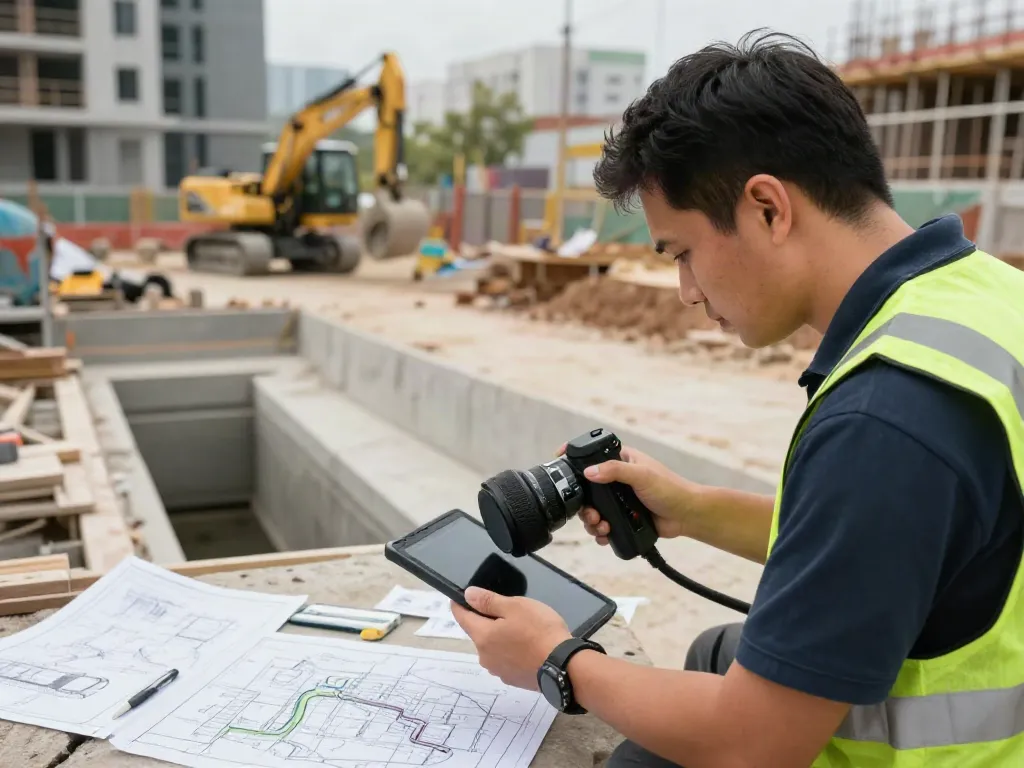
Understanding the Basics of Drainage Surveys
In the realm of construction and property development, the significance of effective drainage systems cannot be overstated. As urban areas expand, especially in densely populated regions like London and Surrey, the integrity and efficiency of underground drainage systems become paramount. This is where Drainage Survey for Build Over Agreement enters the spotlight, providing invaluable insights into the current state of drainage systems prior to any new construction or development projects.
What is a Drainage Survey for Build Over Agreement?
A Drainage Survey for Build Over Agreement is a detailed inspection process designed to assess the condition and compliance of existing drainage systems before construction begins near or over public sewers. This survey aims to ensure that any proposed building work will not interfere with existing drainage systems, which could lead to significant structural and environmental issues down the line. By utilizing advanced CCTV technology, surveyors can visually inspect pipes for blockages, cracks, and potential points of failure, ensuring the system's integrity is maintained during construction.
The Importance of Drainage Surveys for New Builds
In today's construction environment, obtaining a Build Over Agreement is crucial for any new build project that intends to extend or build near existing drainage systems. These agreements help prevent future complications such as flooding, sewage overflow, and structural damages caused by compromised drainage systems. By conducting a comprehensive drainage survey, developers can identify and rectify issues before they escalate, ultimately safeguarding their investments and ensuring compliance with local regulations.
Common Techniques Used in Drainage Surveys
Several techniques are employed during drainage surveys, each offering unique insights into the system's condition. Some of the most common methods include:
- CCTV Drainage Inspection: This non-invasive technique uses high-resolution cameras to capture real-time footage of drainage systems, allowing surveyors to identify blockages or damage.
- Smoke Testing: This method involves introducing smoke into the drainage system to detect leaks or identify connections that are not functioning as intended.
- Water Testing: Water is introduced into drainage systems to ensure that pipes are functioning correctly and to observe how they respond under pressure.
Key Benefits of Conducting a Drainage Survey
Preventing Future Drainage Issues
One of the most significant advantages of conducting a drainage survey is the early identification of potential issues. By pinpointing problems such as blockages, cracks, or misalignments, property owners can undertake remedial actions before they develop into costly failures. This proactive approach not only saves money in the long run but also extends the lifespan of the drainage system.
Enhancing Project Planning and Development
For architects and developers, having accurate insights into existing drainage systems is essential when planning new builds. Knowing the layout and condition of underground systems enables better project design, reducing the risk of delays and unexpected repairs due to drainage issues. Detailed drainage reports, often generated using industry-standard software like WinCan, provide critical data that can facilitate smoother planning and execution phases.
Cost-Effectiveness and Long-Term Savings
Investing in a drainage survey before commencing construction can yield significant cost savings due to the early detection of issues. By addressing potential problems upfront, property owners can avoid the financial repercussions of emergency repairs, which can be exponentially higher than the cost of preventive measures. Furthermore, a well-maintained drainage system reduces the likelihood of future maintenance costs and complications.
The Process of a Drainage Survey for Build Over Agreement
Initial Consultation and Site Assessment
The first step in any drainage survey process is the initial consultation, where surveyors meet with clients to discuss their needs and evaluate the site. During this assessment, they may review existing drainage plans, observe surface-level indications of drainage problems, and determine the extent of the survey required.
Conducting the CCTV Drainage Inspection
Following the site assessment, a CCTV drainage inspection is carried out. This involves inserting a high-resolution camera into the drainage system to capture video footage of the pipes. Surveyors analyze this footage in real-time to identify any visible defects or blockages, documenting their findings for inclusion in the final report.
Interpreting the Results and Reporting
After the inspection is complete, the data collected is analyzed and processed. This includes generating comprehensive reports via software like WinCan, which outlines the condition of the drainage system and any areas of concern. CAD drawings may also be provided to give clients a visual representation of the drainage layout and any identified issues.
Challenges and Considerations in Drainage Surveys
Dealing with Old or Complex Drainage Systems
In many urban environments, drainage systems can be centuries old and may have undergone numerous modifications over time. This complexity presents challenges in accurately assessing their current condition and functionality. Surveyors may need to use a combination of techniques, including sonar mapping and smoke testing, to effectively evaluate these systems.
Common Misconceptions About Drainage Surveys
Despite their importance, there are several misconceptions surrounding drainage surveys. Some property owners believe that surveys are unnecessary unless visibly apparent issues occur. However, as mentioned previously, many drainage problems can be hidden from view, making routine surveys a smart preventive measure.
Regulatory Requirements and Compliance
In the UK, various regulations govern drainage systems, particularly regarding new builds near public sewers. Compliance with these regulations is essential for securing planning permissions and avoiding future liabilities. A thorough drainage survey is often a prerequisite for obtaining a Build Over Agreement, ensuring that all relevant standards are met.
Future Trends in Drainage Survey Technology
Emerging Technologies in Drainage Inspection
The landscape of drainage surveying continues to evolve as technology advances. Emerging tech, such as drones for aerial inspections and machine learning algorithms for data analysis, are set to revolutionize the industry. These innovations enhance the accuracy of surveys and reduce the time required for inspections, ultimately leading to better project outcomes.
The Role of AI and Machine Learning in Drainage Surveys
AI and machine learning are expected to play a pivotal role in the future of drainage surveys. By automating data analysis and identifying patterns in drainage system failures, these technologies will enable early detection of potential issues, streamlining maintenance and repair processes.
What to Expect in Drainage Survey Innovations by 2026
As we look toward 2026, we can anticipate further integration of advanced technologies in drainage surveying. Innovations such as real-time monitoring systems, improved reporting software, and enhanced training for surveyors will likely emerge. These advancements promise to increase the efficiency and effectiveness of drainage surveys, ensuring that property developments are adequately supported by well-functioning drainage systems.
How much should a drainage survey cost?
The cost of a drainage survey can vary significantly based on factors such as location, the complexity of the drainage system, and the extent of the survey required. Generally, prices range from £200 to over £1,000. It's essential to consider this as an investment in preventing future drainage issues.
Is a CCTV survey required for a build over agreement?
Yes, a CCTV survey is typically required for obtaining a Build Over Agreement. This survey provides the crucial information necessary for assessing the impact of new construction on existing drainage systems, ensuring compliance with local regulations and preventing future complications.
What does a drainage survey involve?
A drainage survey involves inspecting underground drainage systems using techniques such as CCTV inspections, smoke testing, and water testing to assess the condition of pipes, identify blockages, or locate leaks, all of which culminate in a comprehensive report detailing the findings.
Can you build over a drainage pipe?
Building over a drainage pipe is possible; however, it typically requires obtaining a Build Over Agreement to ensure that the drainage system remains functional and is not adversely affected by the construction. This agreement may necessitate a drainage survey to determine the pipe's condition and ensure compliance with regulations.
What are the long-term benefits of a drainage survey?
The long-term benefits of a drainage survey include enhanced property value, reduced maintenance costs, and increased peace of mind for property owners. By identifying and resolving potential issues early, property owners can avoid costly repairs and ensure that their drainage systems function effectively for years to come.